Mission Statement
Our mission is to ensure that photoplethysmography technology delivers accurate, reliable results for people of all skin tones by developing rigorous, melanin-responsive validation standards that eliminate bias at the source.


Cadence Cheng, Mia Tacklind, Daniel Manzak-Rios, Brian Phan, Henry Tran
Our mission is to ensure that photoplethysmography technology delivers accurate, reliable results for people of all skin tones by developing rigorous, melanin-responsive validation standards that eliminate bias at the source.
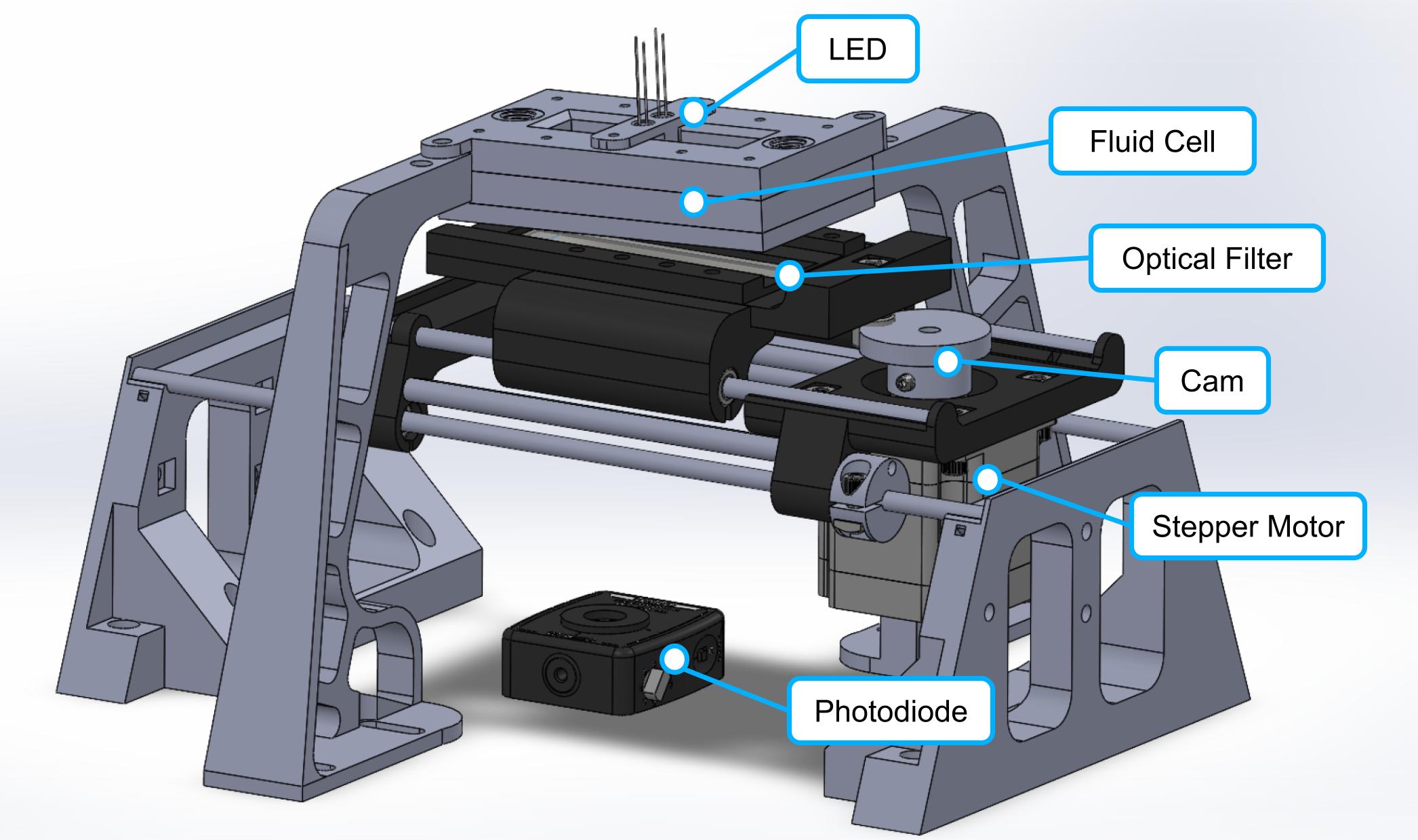
Our benchtop Photoplethysmography simulator is designed to evaluate how melanin influences optical sensor performance across a wide range of skin tones. By recreating tissue-like optical properties in a controlled environment, the system enables researchers and device developers to test PPG signal accuracy, consistency, and reliability before deployment in real-world settings.
Our initial market focus targets wearable health technology companies, biomedical device manufacturers, and academic research laboratories developing optical sensing systems. As concerns surrounding fairness and inclusivity in biometric technologies continue to grow, companies are increasingly seeking tools that can validate device performance across diverse skin tones before regulatory review and public release.
We plan to position our platform as a standardized validation solution for melanin-responsive sensor testing. By offering a benchtop system that is both cost-effective and reproducible, we aim to reduce the barriers associated with large-scale human subject testing while accelerating device development timelines. Strategic partnerships with university laboratories and healthcare innovation programs will further support adoption and validation of the platform.
Long term, our goal is to establish our technology as a trusted benchmark for inclusive PPG evaluation within the medical device and wearable technology industries. As regulatory agencies and consumers place greater emphasis on equitable healthcare technology, we believe demand for standardized melanin-aware validation tools will continue to expand.
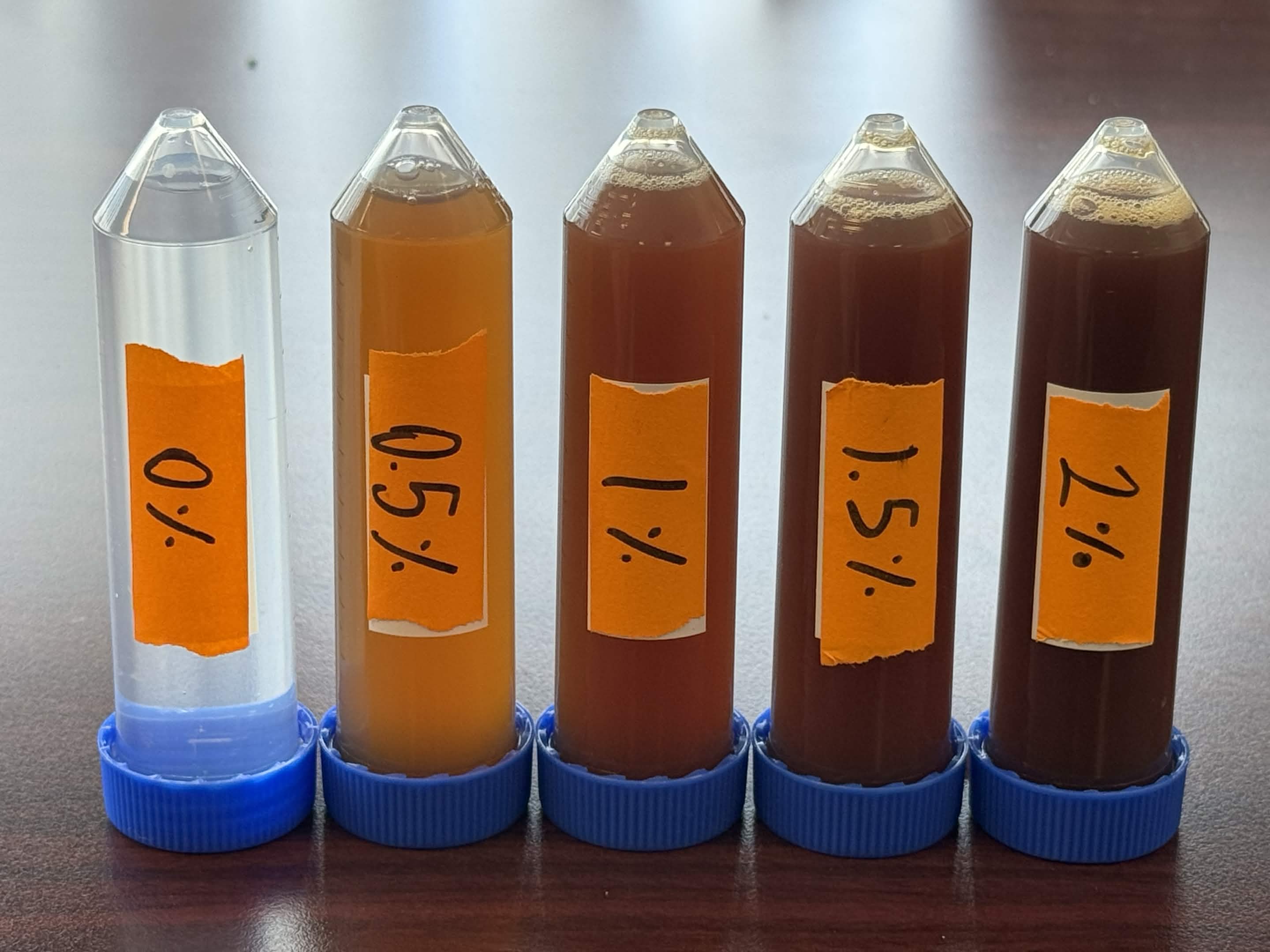
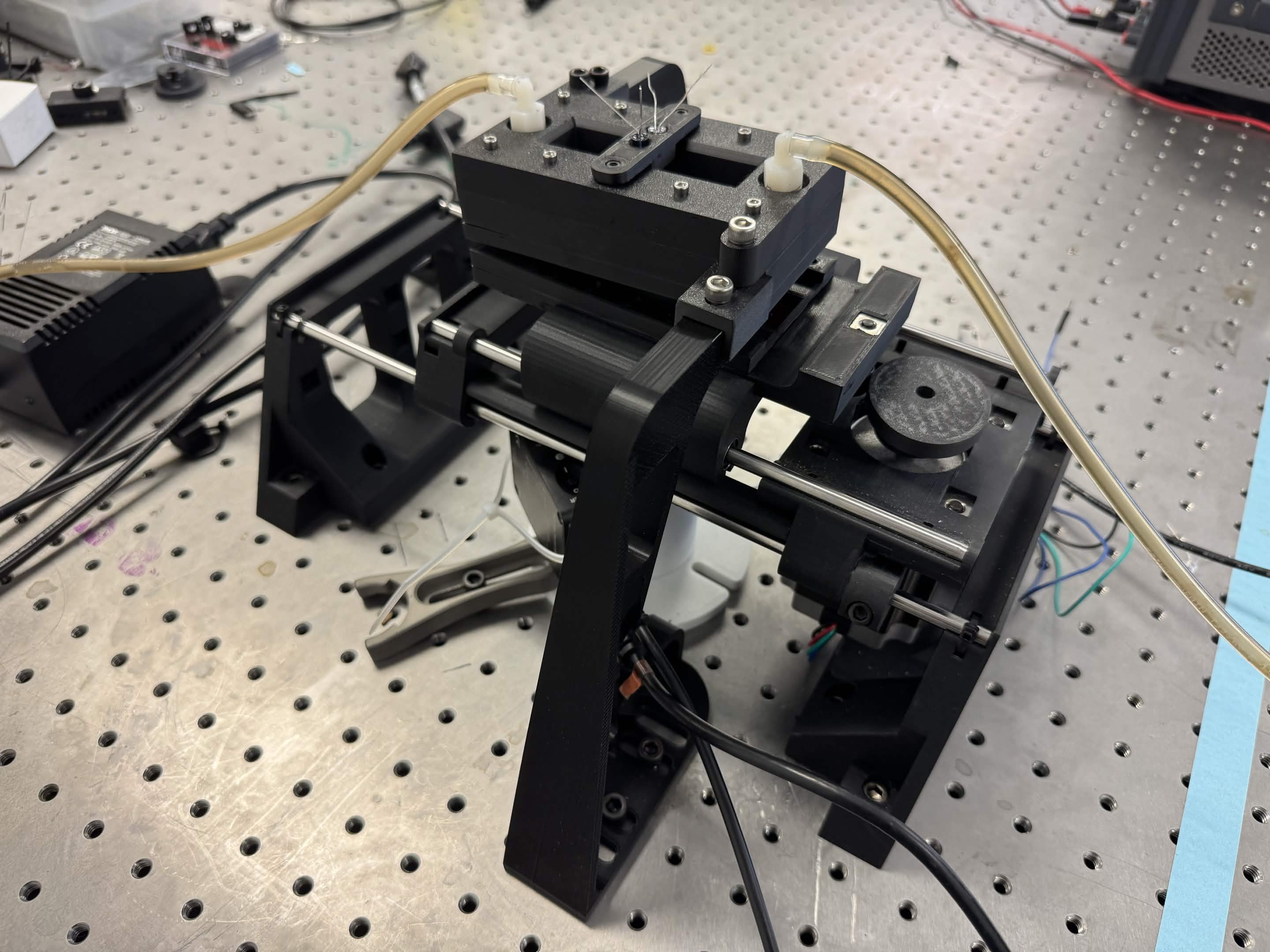
Existing tissue simulators and optical phantoms are generally designed for broad biomedical imaging applications and may not specifically replicate the dynamic optical behavior required for realistic PPG testing. Additionally, many current approaches focus primarily on hardware calibration rather than providing a dedicated framework for inclusive signal validation and algorithm assessment.
Our platform differentiates itself by combining tissue simulation, melanin-responsive optical modeling, and standardized validation workflows into a single benchtop system tailored specifically for PPG analysis. By prioritizing accessibility, repeatability, and inclusivity, we aim to provide researchers and manufacturers with a practical tool for improving sensor performance across all skin tones while addressing a growing need for equitable biometric technology.